Por: Ana Sofía de la Cámara |@anasofiadela
Hay muchos hilos entretejidos en Too Much, uno de los cuales comienza antes del primer episodio: su creadora, Lena Dunham. Conocida por su serie icónica de HBO Girls y su película Tiny Furniture, Dunham es adorada por muchas pero también está sujeta a críticas—por sus viejos tweets, su memoir Not That Kind of Girl, y su reputación como la máxima representante del white feminism de los 2010s. Todo esto, junto con mi amor por Girls, inicialmente me hizo dudar si ver Too Much. Como la protagonista de la serie, Jessica, soy una niña ansiosa que ama a Jane Austen y que vivió en Londres. Por los trailers, sabía que encontraría mucho que me gustaría, pero también lo pospuse, temiendo que Too Much no cumpliera mis expectativas.
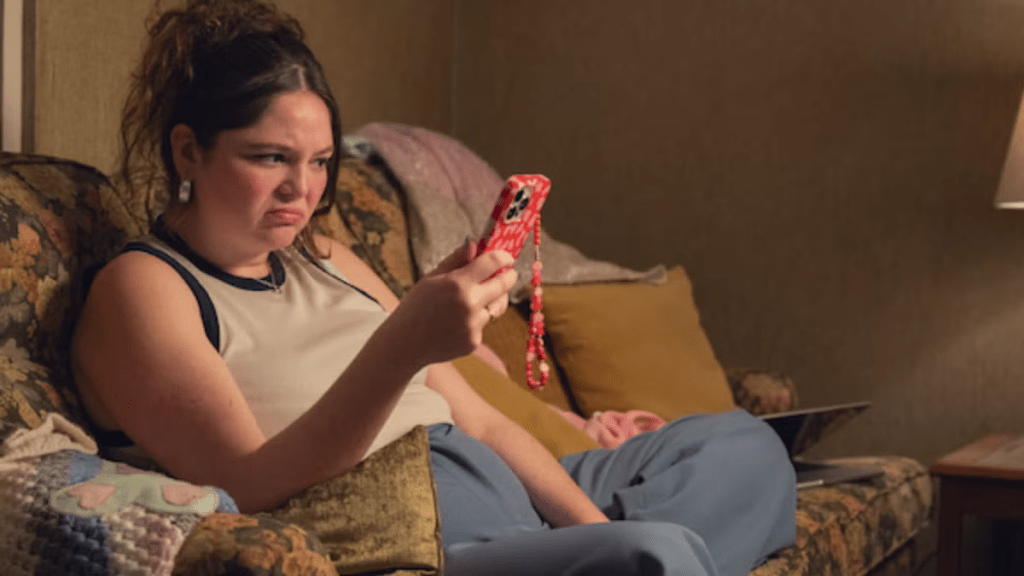
Too Much comienza con Jessica, interpretada por Megan Stalter de HBO’s Hacks, metiéndose en la casa de su ex—rompiendo una ventana con un gnomo de jardín en plena madrugada. Su ex, Zev (Michael Zegen), y su nueva novia Wendy (Emily Ratajkowski) despiertan obviamente asustados. Wendy se voltea hacia Jess y le pregunta: «Girl, you good?»—una pregunta que ojalá la serie hubiera explorado más a fondo. Esta secuencia inicial me desanimó porque pensé que toda la serie trataría este comportamiento claramente desquiciado como #relatable. Mientras seguía viendo, me di cuenta de que afortunadamente estaba equivocada. Too Much solo permite que la audiencia experimente el mundo al mismo ritmo que Jessica está dispuesta a reconocerlo. Para mí, este es uno de los hilos más fuertes de toda la serie.

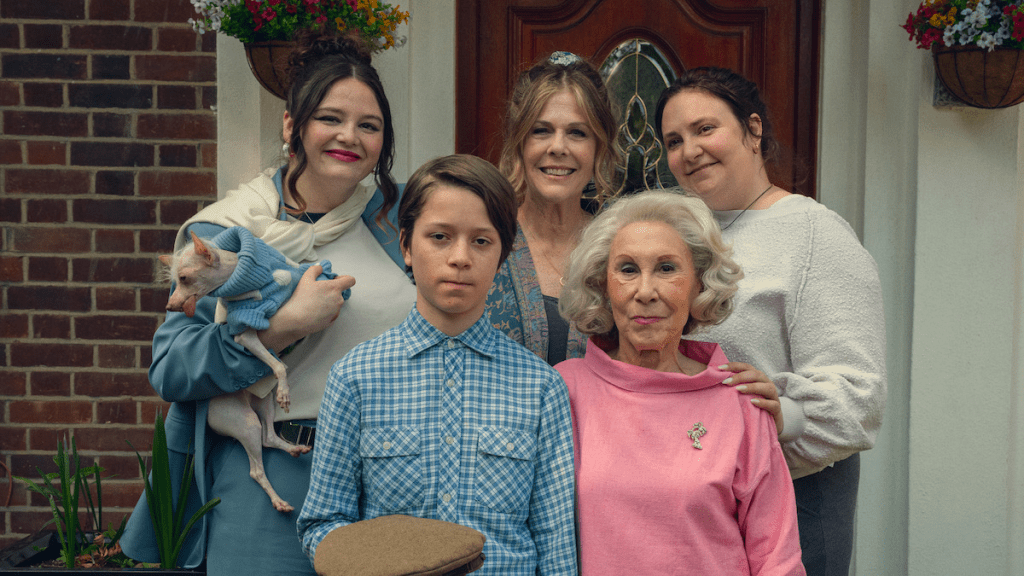
Jessica pronto consigue una oportunidad de trabajo y se muda a Londres, donde realmente comienza la historia. A Jess le apasiona Jane Austen, y su familia ve Sense and Sensibility, quienes se encuentran viviendo en casa de la abuela en lo que Jess describe como un ambiente multigeneracional, de mujeres solteras, estilo Grey Gardens. Disfruté bastante estas escenas, especialmente la actuación de Lena Dunham como la hermana recién divorciada de Jessica.
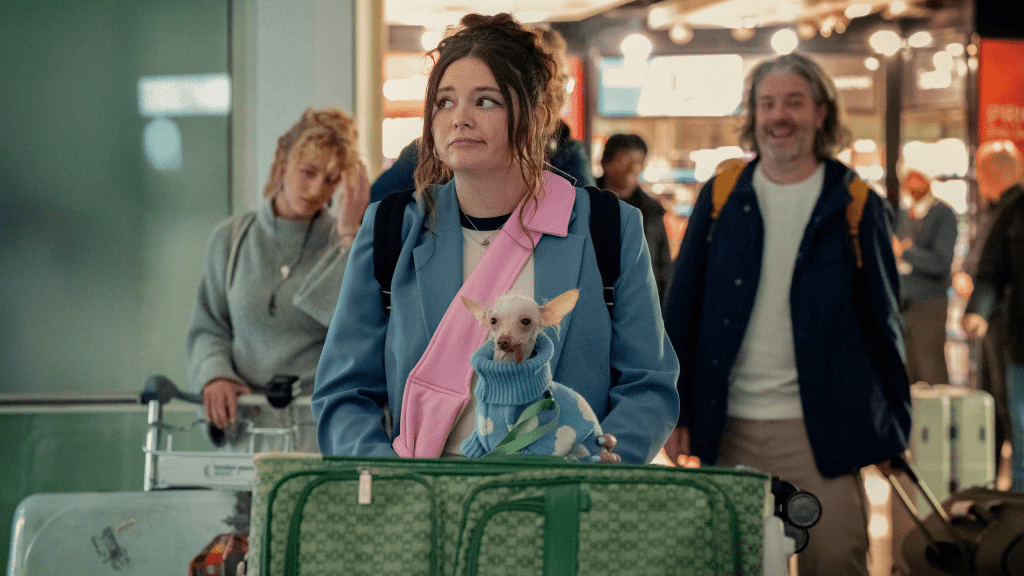
Uno de los mejores aspectos de Girls era su diálogo afilado e ingenioso—un rasgo presente, pero no tan cohesivo, en Too Much. Una broma que se sintió particularmente forzada involucró una confusión con la palabra «estate»: Jess, siendo americana y amante de los dramas de época ingleses, asume que su nueva residencia londinense debe ser un departamento grandioso, estilo Notting Hill.
Hay cambios tonales a lo largo de la serie que se sintieron discordantes, manteniéndome a distancia. Una escena puede sentirse como una comedia screwball mientras que la siguiente es un recuerdo sombrio. Por ejemplo, las escenas de Jessica en el trabajo no tienen suficiente peso para mí. Su jefa la regaña por no estar lo suficientemente concentrada y luego llega al trabajo después de pasar toda la noche teniendo sexo con Felix, pero nunca nos enteramos si la vuelven a regañar. Aunque principalmente disfruté todos estos hilos, no se mezclaron perfectamente para mí porque no estaba segura de cuándo algo tendría consecuencias o solo sería un momento comico.
Una vez en Londres, Jessica rápidamente conoce al músico indie Félix, interpretado por Will Sharpe de HBO’s White Lotus. Él la acompaña a casa, y esa misma noche, ella accidentalmente se prende fuego. Félix aparece en el hospital con flores para sacarla—un momento tierno y juguetón que muestra su dinámica en uno de sus mejores momentos. Dunham sobresale capturando la ternura que estos personajes sienten el uno por el otro. También es conocida por sus escenas de sexo naturalistas, y Too Much presenta muchas. Un episodio es esencialmente un maratón de sexo tan intenso que Jess no duerme antes de ir al trabajo.
Felix es una presencia calmada y linda, y aprecié el episodio independiente que explora la dinámica familiar complicada de él. Sharpe hace un trabajo excelente retratando la suavidad de Felix. Sin embargo, su vibra perpetuamente relajada deja a Sharpe con un rango emocional limitado para explorar. Mientras que Stalter brilla en momentos más silenciosos, a veces puede verse opacada durante las escenas más explosivas de su personaje—el tipo que el título de la serie sugiere. Stalter es una comediante con mucho talento y se roba muchas escenas en su papel en Hacks, así que definitivamente puede hacer escenas cómicas grandes y exageradas, pero para mí, al menos, siento que falta algo para conectar estos momentos de vuelta con Jessica.
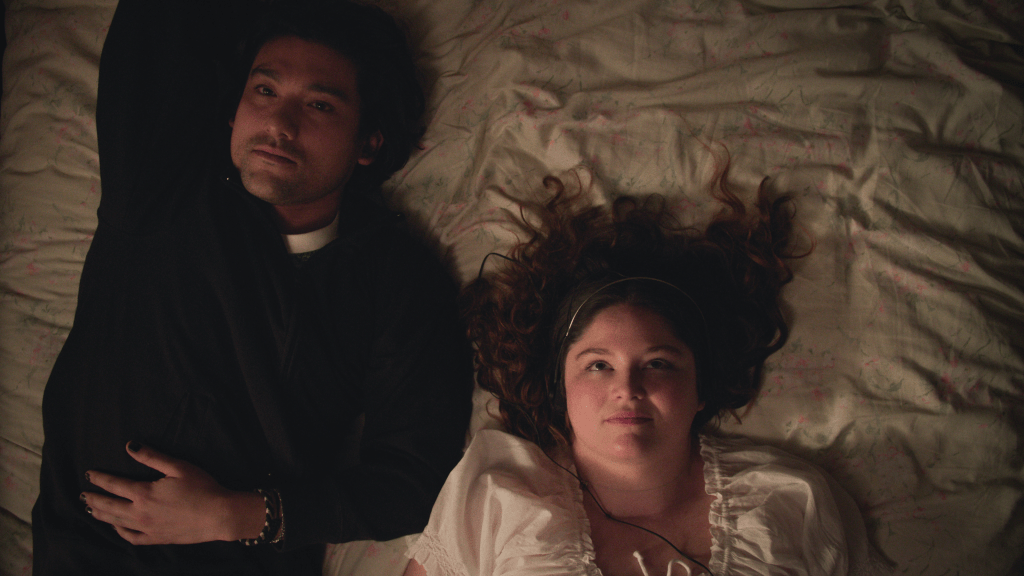
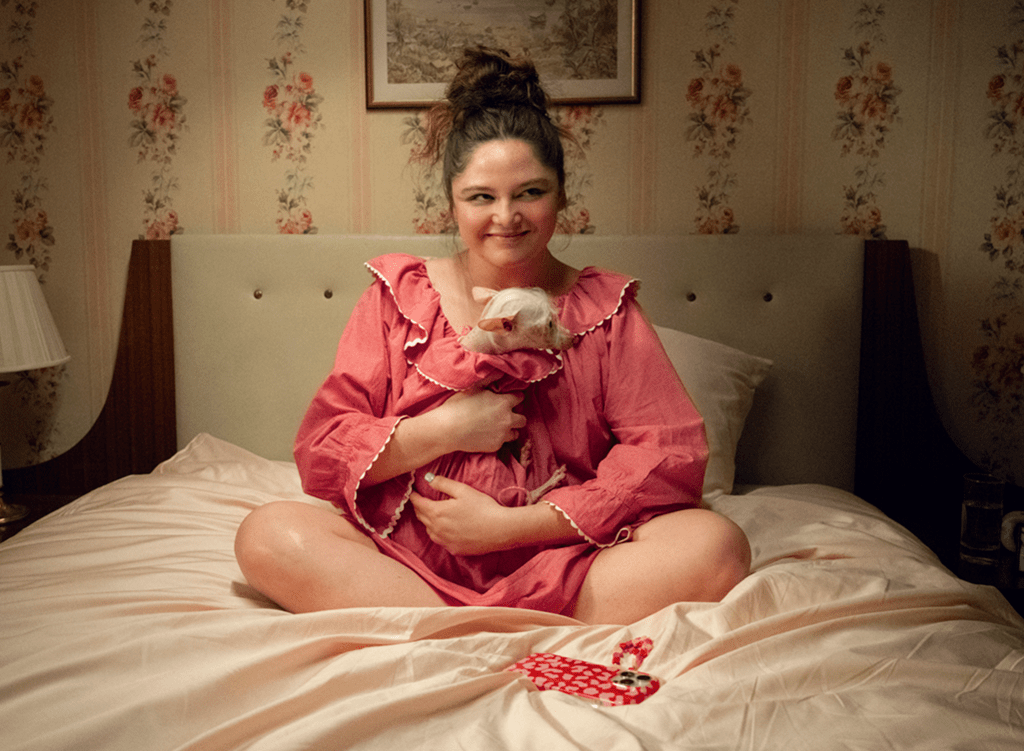
Es lamentable que, en 2025, aún sea sorprendente ver a una protagonista romántica interpretada por una actriz con curvas, especialmente una con su propio estilo único y una colección envidiable de camisones. El estilo naturalista de Dunham para mostrar desnudez y escenas de sexo se siente refrescante y audaz simplemente por lo natural que se siente.
Too Much tiene un elenco de ensemble fabuloso. Desde Naomi Watts y Richard E. Grant, hasta los alumnos de Girls Andrew Rannells, Rita Wilson y Michael Zegen, disfruté muchos momentos con el elenco, como la cena que se vuelve una locura. Aunque no creo que ayudaran al núcleo de la historia ya que estaba más invertida en Too Much cuando Jess y Felix estaban en su propia burbuja.
Me encontré disfrutando más la serie con cada episodio, lo cual vale la pena mencionar para las viewers que podrían estar tentadas a abandonar temprano. Sin embargo, desearía que el tono general tuviera mejor cohesión. La subtrama de redes sociales de la serie presenta una premisa interesante y relatable, pero el resultado se sintió decepcionantemente plano. Las críticas de que la serie es demasiado feliz o no lo suficientemente feliz no entienden el punto—es realista al retratar la felicidad complicada del amor nuevo entre dos personas que tienen sanación emocional que hacer. Lo que no funciona es el tono inconsistente: las escenas cómicas exageradas caen planas a veces, como esperando risas que nunca llegan.
En general, disfruté Too Much. La escritura de Dunham, particularmente su narrativa no lineal, sirve bien a la historia. Su diálogo, aunque no tan afilado como en Girls, es divertido pero no siempre da en el clavo. Las inconsistencias tonales me impidieron sumergirme completamente en este mundo, y varios elementos intrigantes—como los proyectos raros de tejido de Wendy—desafortunadamente no se unieron en un todo cohesivo.
English version
There are many threads woven into Too Much, one of which starts before episode one: its creator, Lena Dunham. Known for her pivotal HBO series Girls and her film Tiny Furniture, Dunham is beloved by many but also subject to criticism—over old tweets, her memoir Not That Kind of Girl, and her reputation as the epitome of white feminism of the 2010s. This baggage as well as my love for Girls initially made me hesitant to watch Too Much. Like the show’s lead, Jessica, I’m an anxious girlie who loves Jane Austen and lived in London. From the previews, I knew I’d find things to like, but I also put off watching it, fearing it wouldn’t live up to my expectations.
Too Much begins with Jessica, played by Megan Stalter from HBO’s Hacks, breaking into her ex-boyfriend’s house—smashing a window with a garden gnome in the middle of the night. Her ex, Zev (Michael Zegen), and his new girlfriend Wendy (Emily Ratajkowski) wake up understandably startled. Wendy turns to Jess and asks, «Girl, you good?»—a question I wish the show had explored more deeply. This opening segment put me off because I thought that the whole show would treat this clearly unhinged behavior as #relatable. As I continued watching I learned that I was gladly mistaken. Too Much only allows the audience to experience the world at the same rate as Jessica is prepared to acknowledge it. This to me is one of the strongest threads in the entire series.
Jess soon lands a job opportunity and moves to London, where the story really begins. She’s passionate about Jane Austen, watching Sense and Sensibility with her family, who find themselves living at grandma’s in what Jess describes as a multi-generational, single-women, Grey Gardens-esque setting. I quite enjoyed these scenes, especially Lena Dunham’s charming performance as Jessica’s recently divorced sister.
One of the best aspects of Girls was its sharp, witty dialogue—a trait present, but not quite as cohesive, in Too Much. One joke that felt particularly drawn out involved a mix-up with the word estate: Jess, being American and a lover of English period dramas, assumes her new London residence must be a grand, Notting Hill-style flat.
There are tonal shifts throughout the show that felt jarring, keeping me at arm’s length. One scene can feel like a screwball comedy while the next is a somber memory. For example, Jessica’s scenes at work don’t carry enough weight for me. She gets told off by her boss for not being focused enough and then shows up to work after spending the whole night having sex with Felix, but we never learn if she gets told off again. Though I mainly enjoyed all these threads, they didn’t blend seamlessly for me because I wasn’t sure when something would have consequences or just be a gag.
Once in London, Jessica quickly meets indie musician Felix, played by Will Sharpe from HBO’s White Lotus. He walks her home, and that same night, she accidentally sets herself on fire. Felix shows up at the hospital with flowers to bust her out—a tender, playful moment that showcases their dynamic at its best. Dunham excels at capturing the gentleness these characters feel for each other. She’s also known for naturalistic sex scenes, and Too Much features many. One episode is essentially a marathon of sex so intense that Jess doesn’t sleep before heading to work.
Felix is a calm, kind presence, and I appreciated the standalone episode exploring his complicated family dynamics. Sharpe does an excellent job portraying Felix’s softness. However, his perpetually chill vibe leaves Sharpe with limited emotional range to explore. While Stalter shines in quieter moments, she can sometimes be overshadowed during her character’s more explosive scenes—the kind that the show’s title hints at. Stalter is a hilarious comedian and steals many scenes in her role in Hacks, so she can definitely do big comedic over-the-top scenes, but for me, at least, I feel like there’s something missing to tie these moments back to Jessica.
It’s unfortunate that, in 2025, it’s still surprising to see a romantic lead played by a curvy actress, especially one with her own unique style and an enviable collection of nightgowns. Dunham’s naturalistic style of showing nudity and sex scenes feels refreshing and bold just because of how natural it feels.
Too Much has a fabulous ensemble cast. From Naomi Watts and Richard E. Grant, to Girls alumni Andrew Rannells, Rita Wilson and Michael Zegen, I enjoyed many moments with the ensemble cast, like the dinner party gone wild. Though I don’t think they helped the core of the story as I was most invested in Too Much when Jess and Felix were in their own bubble.
I found myself enjoying the series more with each episode, which is worth noting for viewers who might be tempted to bail early. However, I wish the overall tone had better cohesiveness. The show’s social media subplot presents an interesting, relatable premise, but the payoff felt disappointingly flat. Criticisms that the show is either too happy or not happy enough miss the point—it’s realistic in portraying the complicated happiness of new love between two people with emotional healing to do. What doesn’t work is the inconsistent tone: the over-the-top comedic scenes fall flat at times, as if waiting for laughs that never arrive.
Overall, I enjoyed Too Much. Dunham’s writing, particularly her non-linear storytelling, serves the story well. Her dialogue, though not as sharp as in Girls, is funny but doesn’t always hit the mark. The tonal inconsistencies prevented me from fully immersing myself in this world, and various intriguing elements—like Wendy’s quirky knitting projects—unfortunately didn’t come together into a cohesive whole.


 Girls at Films
Debe estar conectado para enviar un comentario.