Entrevista y fotografías en Morelia por: Daniela García Juárez | @danigcjrz
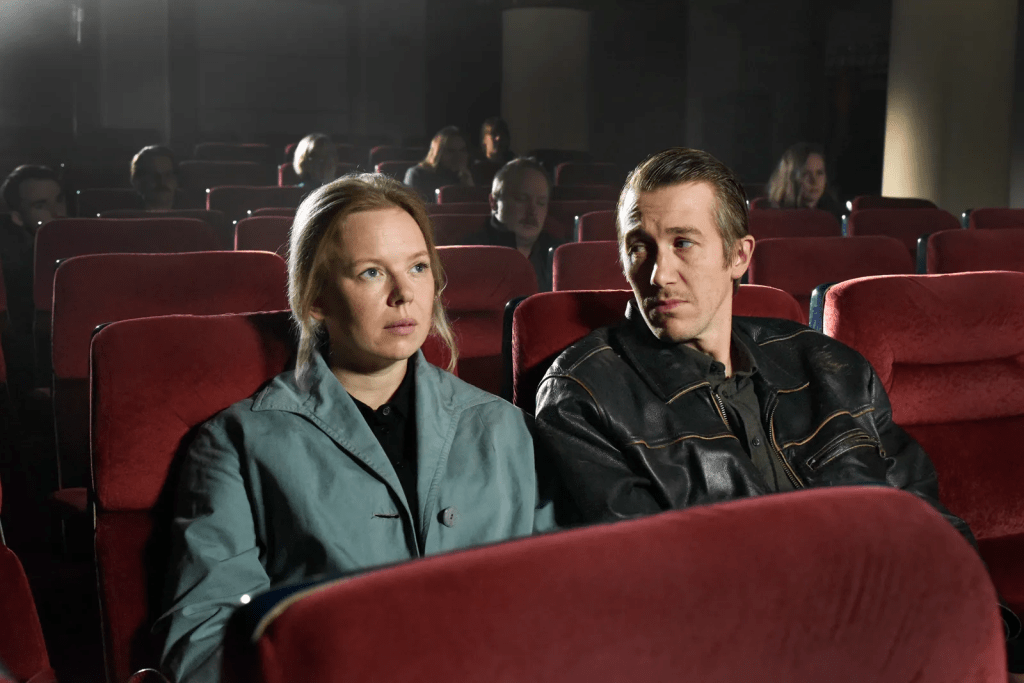
Desde una mirada contemplativa que oscila entre un retrato de lo cotidiano y un sentimiento profundo naciendo en lo hostil del entorno, Kaurismaki construye una historia de amor. Ansa (Alma Poysti) y Holappa (Jussi Vatanen) son personas bastante ordinarias que, sin embargo, desean una válvula de escape ante el entorno sociopolítico desolador, un ambiente laboral injusto y precario y la rutina matadora. Su relación, en lugar de presentarse como el típico romance idealista, parece una escalera sin final aparente en donde importa más cada peldaño que la imagen general de la relación. Un proceso que vale más por el momento del encuentro y lo que este provoca en el presente inmediato, que el significado que podría tener a una construcción del imaginario colectivo del amor. Kaurismaki reivindica al amor como algo despojado de pretensiones y expectativas. Puro y simple, una relación que crece y se procura, sin importar mayores historias sobre la compatibilidad o el destino.

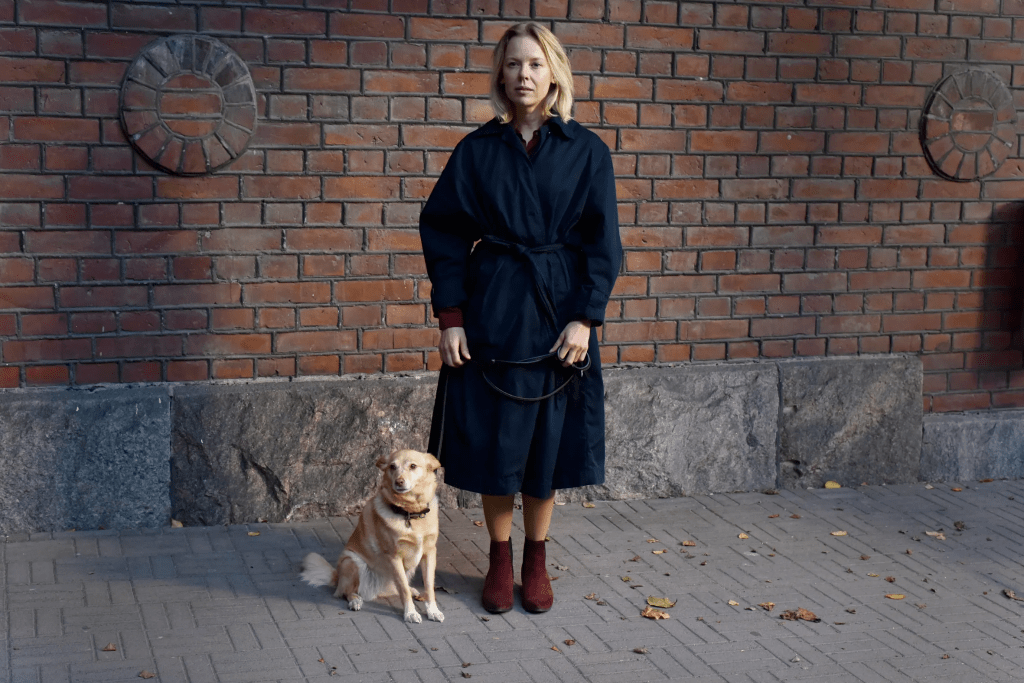
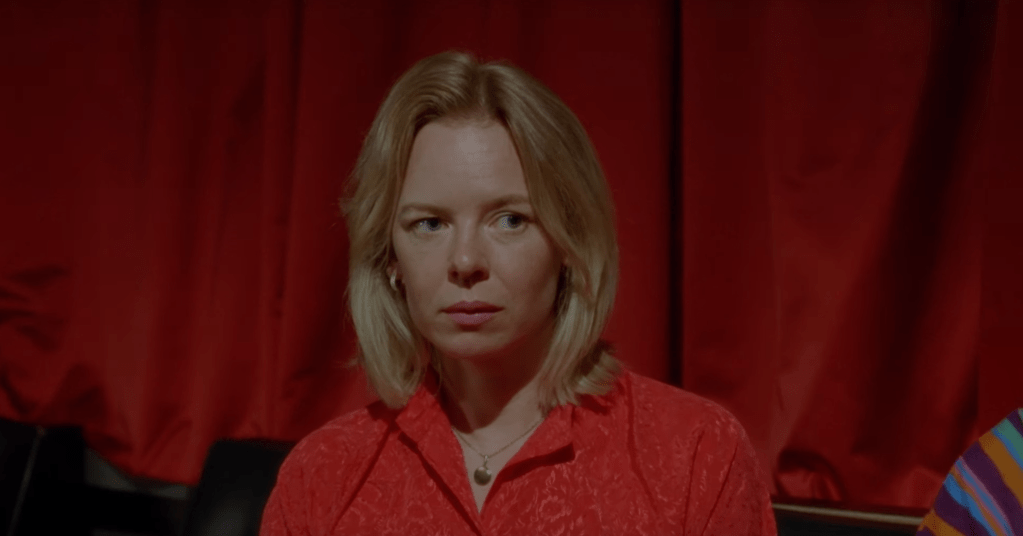
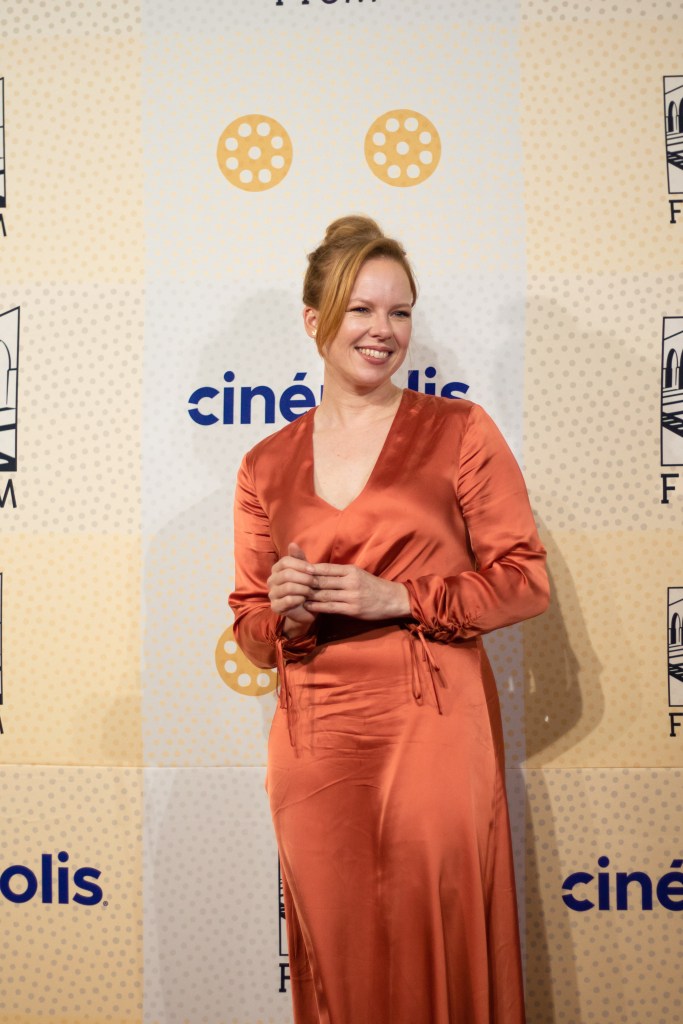
En su paso por Morelia, platicamos con Alma Poysti, magnífica actriz finlandesa que le da vida a Ansa, también conocida por Tove (Tove Jahnsson). Sobre el contexto de las mujeres en Finlandia, el rol de las mujeres en la industria y la sensibilidad en el cine de Kaurismaki, Alma comparte sus sentires y aprendizajes tras su paso por Fallen Leaves.
GAF Question: We are living a great moment for recognition and visibility for women’s work in the film industry. As a woman, what do you think is the relevance in this? Trad: Vivimos un gran momento de reconocimiento y visibilidad del trabajo de la mujer en la industria cinematográfica. Como mujer, ¿qué relevancia crees que tiene esto?
Alma Poysti: So, it’s great, of course. Women are equal to men in terms of talent and now they’re actually getting the space they deserve so it’s wonderful. And not just because they’re women but because they deserve it and they’re equally good. So, i think we live in a fantastic time where more voices are being heard and we can see more work of versatile backgrounds. Now i’ve been working for example a lot with female DoP’s, and this was something that has taught me a lot. Because the female gaze is something else. As a woman in front of the camera there is another kind of understanding. This is very interesting, to investigate what that means. It’s not that one gaze is better than the other, it’s just different. It’s necessary to have many perspectives and find out what it means.
Trad: Es genial, por supuesto. Las mujeres tienen el mismo talento que los hombres y ahora tienen el espacio que se merecen, así que es maravilloso. Y no sólo porque sean mujeres, sino porque se lo merecen y son igual de buenas. Creo que vivimos en una época fantástica en la que se oyen más voces y podemos ver más obras de orígenes diversos. Por ejemplo, he trabajado mucho con directoras de fotografía y eso me ha enseñado mucho. Porque la mirada femenina es otra cosa. Como mujer delante de la cámara hay otro tipo de comprensión. Es muy interesante investigar qué significa eso. No es que una mirada sea mejor que la otra, simplemente es diferente. Es necesario tener muchas perspectivas y averiguar qué significa.
Gaf Question: How is women’s role in labor in Finland? And how well is it portrayed in Fallen Leaves? Trad: ¿Cómo es el papel de la mujer en el trabajo en Finlandia? ¿Y hasta qué punto está bien retratado en Fallen leaves?
Alma Poysti: Well it’s quite normal in Finland that a female can have any job, and the Finnish women are very strong. I think this is a very believable situation. And actually the factory where we filmed these scenes, there were a lot of women working there so this is absolutely not a fantasy, this is reality. And it’s quite an interesting story about the strength of the Finnish woman in a way because after the Second world war, Finland was very poor and there were a lot of men who died and went away and so women had to take care of everything, and they weren’t afraid to do any job. So i think also, in that history the Finnish woman has developed the ability to do anything. We can be policemen and firemen as well.
Trad: Bueno, en Finlandia es bastante normal que una mujer pueda tener cualquier trabajo, y las mujeres finlandesas son muy fuertes. Creo que es una situación muy creíble. De hecho, en la fábrica en la que rodamos estas escenas había muchas mujeres trabajando, así que no se trata en absoluto de una fantasía, es la realidad. Y es una historia muy interesante sobre la fuerza de la mujer finlandesa, porque después de la Segunda Guerra Mundial, Finlandia era muy pobre y muchos hombres murieron y se marcharon, así que las mujeres tuvieron que ocuparse de todo, y no tenían miedo de hacer cualquier trabajo. Así que también creo que, en esa historia, la mujer finlandesa ha desarrollado la capacidad de hacer cualquier cosa. También podemos ser policías y bomberos.
Gaf Question: What do you think about Kaurismaki’s way of portraying the relationship between the characters, one that searches for making their relationship human? Nowadays relationships are more complicated because of growing individualism. Trad: ¿Qué te parece la forma que tiene Kaurismaki de retratar la relación entre los personajes, humanizándolos y reflejando una preocupación por los otros? Hoy en día las relaciones son más complicadas debido al creciente individualismo.
Alma Poysti: I think we live in quite lonely times because we have all these screens and technical tools for communicating but we are very distant from each other, and if i think if we lose this sense of being collective and compassionate and caring, then we are losing humanity. In a way I think we are living in quite dangerous times when we become too obsessed with our own bubble and our own happiness to the cost of someone else. This is a terrible way of where the world could be heading. I think this movie somehow reminds us that we should really care about the person, about the dog that is about to be shot. To stay human.
Trad: Creo que vivimos tiempos muy solitarios porque tenemos todas esas pantallas y herramientas técnicas para comunicarnos, pero estamos muy distanciados los unos de los otros, y creo que si perdemos este sentido de ser colectivos y compasivos y solidarios, entonces estamos perdiendo humanidad. En cierto modo, creo que vivimos tiempos muy peligrosos cuando nos obsesionamos demasiado con nuestra propia burbuja y nuestra propia felicidad a costa de los demás. Este es un camino terrible hacia el que podría dirigirse el mundo. Creo que esta película nos recuerda de alguna manera que deberíamos preocuparnos de verdad por la persona, por el perro al que están a punto de disparar. Seguir siendo humanos.
Gaf Question: What do you think of the characters from marginalized contexts that Kaurismaki writes about? What do you think is the importance of telling their stories? Trad: ¿Qué opinas de los personajes de contextos marginales sobre los que escribe Kaurismaki? ¿Cuál crees que es la importancia de contar sus historias?
Alma Poysti: It’s very important. I think that’s why people connect with Kaurismaki’s films because he is telling these stories, and we all recognise ourselves in these characters. He puts everybody on the same level. It doesn’t matter what class of society you come from, you are equally worth it. And I love that gaze, the humanity that he carries. As a white male over 50, he is deciding to tell these stories because they are also part of his world. It’s not about “them” it’s about “us”. He does this all the time. And it’s beautiful.
Es muy importante. Creo que por eso la gente conecta con las películas de Kaurismaki, porque cuenta estas historias y todos nos reconocemos en estos personajes. Pone a todo el mundo al mismo nivel. No importa de qué clase social vengas, vales por igual. Y me encanta esa mirada, la humanidad que transmite. Como hombre blanco de más de 50 años, decide contar estas historias porque también forman parte de su mundo. No se trata de «ellos», sino de «nosotros». Lo hace todo el tiempo. Y es hermoso.
GaF Question: Hollywood has taught us that love is physical and passionate. Kaurismaki talks to us about a more spiritual love, and the physical contact is just about a hand touch or a kiss on the forehead. How was it for you and your co-star, to go through this love story without physical touch and still convey this love? trad: Hollywood nos ha enseñado que el amor es físico y apasionado. Kaurismaki nos habla de un amor más espiritual, y el contacto físico es sólo un roce de manos o un beso en la frente. ¿Cómo fue para ti y tu coprotagonista vivir esta historia de amor sin contacto físico y seguir transmitiendo ese amor?
Alma Poysti: Of course, their love is in them, in their whole system. It’s very minimalistic but their heart is beating very fast. I think if you look at all the faces that pass by in this movie and can see the same kind of longing, these hearts that are dealing with love or disappointment. And all of these faces carry the same story about the human being: wanting to be loved. Aki would kill me for saying this because he is not sentimental, but he’s not here so it’s fine.
trad: Por supuesto, su amor está en ellos, en todo su sistema. Es muy minimalista, pero su corazón late muy rápido. Creo que si miras todas las caras que pasan en esta película y puedes ver el mismo tipo de anhelo, estos corazones que están lidiando con el amor o la decepción. Y todos estos rostros transmiten la misma historia sobre el ser humano: querer ser amado. Aki me mataría por decir esto porque no es un sentimental, pero no está aquí, así que no pasa nada.

Gaf Question: I would like to know how it transformed you, first, as a person, and then, as an actor, to work in this film with Aki Kaurismaki? Trad: Me gustaría saber cómo te has transformado, primero, como persona, y luego, como actriz, al trabajar en esta película.
Alma Poysti: I guess I learned many lessons. About honesty, how little you can do to tell so much. To think about what is enough. To be brave enough to take away and away and away, because sometimes it’s so much easier to just add and add and add. But this is a countermovement somehow. It’s a very purifying experience, actually.
It was wonderful to see how much heart and care he has for every little detail in the movie. Everything is so exact, and it goes for the whole team. It was the most quiet set I’ve ever been in and at the same time jokes were flying at some point. It was almost like a family feeling, and we were welcomed with open arms. And now that the film has been traveling, I can see the family of Aki Kaurismaki is so big, because you meet audiences that have been following for a very long time. They all speak his language and they’re waiting for the movies.
This has been a very touching experience and it has changed me to really see what the power of cinema can be as well. Because people are thanking us for giving them hope. And that’s one of the most beautiful things you can get as a filmmaker: to be able to give somebody hope.
trad: Supongo que aprendí muchas lecciones. Sobre la honestidad, sobre lo poco que se puede hacer para contar tanto. A pensar en lo que es suficiente. A ser lo suficientemente valiente para quitar y quitar y quitar, porque a veces es mucho más fácil añadir y añadir y añadir. Pero esto es, de alguna manera, un contra-movimiento. En realidad, es una experiencia muy purificadora.
Fue maravilloso ver cuánto corazón y cuidado tiene por cada pequeño detalle de la película. Todo es tan exacto, y eso vale para todo el equipo. Fue el plató más tranquilo en el que he estado nunca y al mismo tiempo las bromas volaban en algún momento. Era casi como una sensación familiar, y nos recibieron con los brazos abiertos. Y ahora que la película ha viajado, puedo ver que la familia de Aki Kaurismaki es muy grande, porque te encuentras con público que la sigue desde hace mucho tiempo. Todos hablan su idioma y esperan las películas.
Ha sido una experiencia muy conmovedora y me ha hecho ver realmente cuál puede ser el poder del cine. Porque la gente nos da las gracias por darles esperanza. Y esa es una de las cosas más hermosas que puedes conseguir como cineasta: ser capaz de dar esperanza a alguien.



 Girls at Films
Deja un comentario